A newbie who turns up 3 times a week for 6 months will almost always outpace an all-natural talent who dancings in bursts. That monitoring applied in my own training and later on when I instructed teenagers, grownups, and the periodic brave retired person that wanted to learn salsa for a wedding. The distinction had not been magical. Consistent practice layers skill on ability. It keeps your body topped, your ear in harmony with rhythm, and your mind connected to the nuances you can just catch when you remain in the area typically enough to notice them.
Consistency can sound uninteresting to dancers chasing creativity. You desire fireworks, not a schedule. Yet the schedule is what gives you the phase. The method is understanding exactly how consistent Dance Training operates in real bodies, with active timetables and irregular inspiration, and then constructing practices that hold up in actual life.
What "consistent" actually suggests for a beginner
I typically obtain asked just how often a newbie must educate. The honest response depends on how you define training and what you want to progress in. If you're brand new and aiming for broad coordination, rhythm, and confidence, 3 to four touchpoints a week is suitable. Touchpoint does not constantly indicate a 90 minute workshop class. It can be a 12 minute home drill session, a 6 minute groove break throughout lunch, or an hour of social dance on Friday.
Early on, the nerves take advantage of constant, lower-dose repeating. Long voids between sessions require your brain to re-learn fundamental patterns, which seems like spinning wheels. When you return the following day, your body gets yesterday's map promptly. After a few weeks of regular direct exposure, you begin piling maps: step patterns, weight transfers, timing variations, and style details all snap with each other faster.
If you can only handle two substantial classes weekly, support them with short, structured micro-sessions in the house. You'll still correspond, just in a way that fits a hectic life.
Why stable beats significant in Dance Training
When I trained a beginner hip jump team that fulfilled on Tuesdays, the trainees who did ten minutes of grooves on non-class days had visibly cleaner isolations by week 4. Exact same teacher, same choreography, same songs. The only distinction was their stable drip of practice. Below's what was happening below the surface.
- Motor knowing thrives on spaced repetition. Abilities like balance, turns, and fundamental footwork improve much faster when you review them briefly and frequently. Marathon sessions make you tired, not necessarily better. Memory combination gain from sleep between sessions. Dance is both physical and cognitive. If you feed your mind fresh inputs on Monday, however on Wednesday and Saturday, you're leveraging rest to financial institution the gains from each session. Tissue adaptation favors moderate, repetitive stress, not sporadic overload. Ankles, calves, and hips grow more resistant with normal practice at convenient intensity. Large once-a-week pushes boost pain and the lure to miss the next session. Confidence builds with small wins. You'll keep turning up if you observe that your body listens sooner and your mind recognizes patterns much faster. Uniformity creates a responses loophole of success.
The unseen abilities you only acquire by revealing up
Beginners have a tendency to infatuate on noticeable milestones: a smooth cross-body lead, a tidy pas de bourrée, or finally maintaining in a class without looking at your feet. Those matter, however uniformity opens a collection of quieter skills that actually drive your progress.
Timing tolerance. You establish an adaptable connection with the beat. As opposed to looking for matter one, you really feel just how movement lands in the pocket. That resistance reveals when the DJ modifications pace or the teacher changes tracks. Inconsistent dancers cling to matters. Constant dancers ride the groove across tracks without panic.
Weight honesty. You start to really feel, not guess, when your weight has actually totally moved. That awareness eliminates shaky turns and late directional adjustments. It likewise prevents tiredness due to the fact that you stop muscling your method via steps.
Spatial reading. The more often you dance with others, the much better you check out the room and change lines without shedding choreography. You stop freezing when someone crosses your path. This is critical in social and performance setups where pathways transform on the fly.
Style absorption. Consistency allows you soak up design via osmosis as high as guideline. The tilt of a head in waacking, the breath in a modern phrase, the grounded bounce in home, the accurate heel-toe in bachata footwork. You can not memorize these from a video. You capture them by direct exposure, after that technique, after that feedback, over and over.
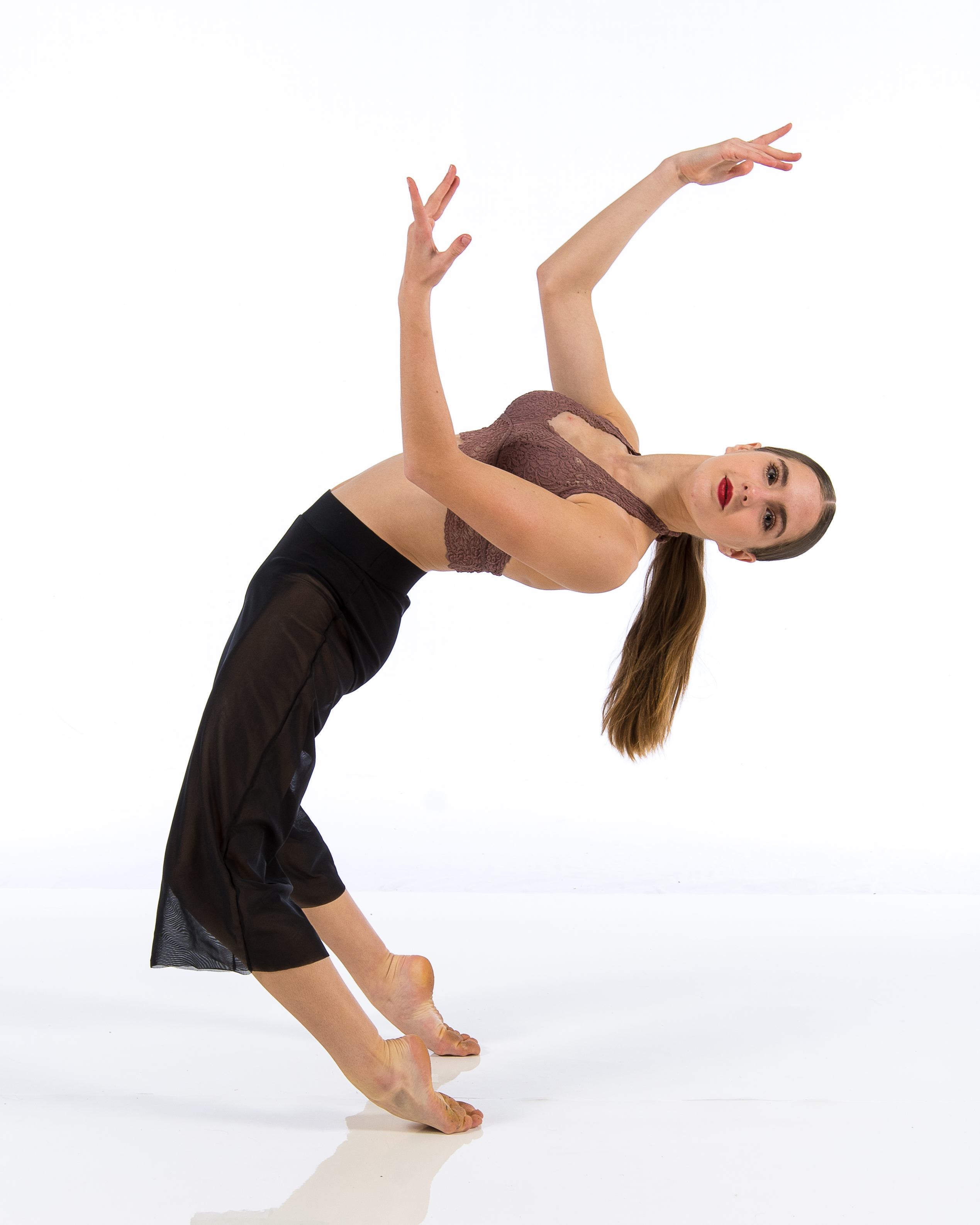
Recovery rate. Everyone makes mistakes. Consistent professional dancers recuperate much faster since their nerve system does not spiral at the first stumble. You really feel which micro-adjustment will bring you back on matter. That grace originates from encountering tiny stumbles often times a week and relocating with them.
How to design a constant week that actually sticks
The right schedule is the one you will certainly maintain for at the very least 8 weeks. Most novices overestimate their accessibility and take too lightly the friction of reaching class, transforming shoes, and warming up. I 'd rather see two studio classes plus three micro-sessions in your home than a grand strategy that breaks down by week three.
Here's a basic template that adapts well:
- Two technique-heavy courses that target your main style. One cross-training or groove session to stabilize technicians with musicality. Two brief home drills that are specific, timed, and very easy to start.
In technique, that might look like Monday and Wednesday beginner contemporary, Friday social salsa evening, and 12 minute home sessions on Tuesday and Saturday. If you're doing hip hop, swap Friday for a freestyle session in your living room with a playlist you enjoy. The mix keeps monotony away and cements various elements of your training.
Batch your choices. Load your dancing bag the evening prior to. Make use of the exact same warm-up for the initial 6 weeks so you don't spend determination picking stretches. Set a start time that endures reality, not a dream routine. Uniformity is logistics as much as motivation.
The workout you in fact need
Most newbies either avoid warm-ups or use them to imitate what they have actually seen others do. An excellent workout ought to prepare 3 points: joints, breath, and rhythm. You can cover all three in under 8 minutes.
Start from the ground up. Ankle joints and calf bones carry your equilibrium, so activate them first. Transfer to hips and thoracic spine with mild rotations. Include 3 rounds of deep nasal breaths with a long exhale to settle your nerve system. Finish with 60 to 90 seconds of groove on songs you take pleasure in: two-step, bounce, persuade, anything that urges full-body movement. The groove sets your timing and loosens up rigidity that movement drills never reach. If you constantly repeat that workout, your body will show up to course ready to find out, not desperate to wake up.
Micro-sessions that transform your dancing
Short sessions only work if they are structured and repeatable. Keep them specific and capped. Think 5 to twelve minutes, not "as long as I seem like it." Pick one narrow skill per session and track it for at least 2 weeks.
A few instances:
- Balance and transforms. Depend on one leg for 20 seconds per side with soft knees, then do 6 slow-moving, controlled quarter transforms per direction concentrating on identifying. Completed with 2 full turns per side at comfortable rate. That's 5 mins. Over two weeks, purpose to make the sluggish turns smoother, not faster. Footwork clearness. Choose a standard like a salsa standard action or a home shuffle. Do three 45 second rounds with 30 seconds remainder, maintaining actions little and weight transfers full. Use a metronome at 90 to 110 BPM if songs sidetracks you. Isolations and control. Choose chest or hips. Map four placements, after that slide between them on counts 1 to 4, return on 5 to 8. Repeat for 3 songs. Your objective is even speed and clean stop points. Groove endurance. Put on a preferred mid-tempo track. Maintain a simple groove for the entire tune while preserving breath and kicked back shoulders. Don't embellish, simply ride the beat. This builds rhythm endurance and posture.
Consistency indicates you'll repeat these usually enough that minor enhancements gather right into major changes. If you only do them when you feel guilty, they won't work.
Why plateaus are great news
Plateaus get a bad track record. In Dance Training they frequently indicate that your nerve system is combining. You have actually put down enough layers that your mind is reorganizing the map. Keep turning up with a stable workload and small variations. Avoid the trap of altering every little thing since progress really feels slow.
When a pupil hits a plateau, I check three points. First, rest and stress. If you're getting five hours a night and living on caffeine, your body will withstand adaptation. Second, variance in pace. If you constantly practice at one rate, your timing resistance diminishes. Third, comments top quality. If no person is fixing you, you'll grind the very same mistake deeper.
Plateaus additionally expose your practices. Some professional dancers hurry to uniqueness, adding fancy maneuvering. Others avoid any type of discomfort, drilling essentials past the point of usefulness. The pleasant spot is an 80 to 20 split: 80 percent principles at slightly diverse tempos or contexts, 20 percent brand-new or tough material that extends your ability without damaging your confidence.
Technique first, design right behind it
For novices, the selection between boring technique and checking out style seems like a fork in the road. It isn't. You need both, and consistency lets them feed each other.
Take a simple example: a plié in jazz or modern. If your ankles are stiff and your weight drifts to the toes, your lines will look nervous. Drill ankle mobility and weight placement continually for 2 weeks, and instantly the same plié looks grounded. Now layer style. Choose if the minute takes a breath open or pulls inward. Your technological adjustment offered your stylistic option a canvas. Without uniformity, the style checks out as a cover for a weak base.
Similarly, in salsa, a clean standard with sincere weight shifts makes every turn pattern cleaner. Once that is consistent, start having fun with syncopations, body movement, and connection. Design isn't a separate method. It is what arises when the body can trust its mechanics.
Training throughout various designs without getting lost
Beginners often sample multiple styles prior to devoting. Sampling is fine if it is organized. Without a plan, you'll collect vocabulary without fluency. With a strategy, cross-pollination speeds up learning.
Pick one key design for your technique days, then include one second style for musicality and groove. If your primary emphasis is ballet, an once a week home or hip hop groove session will certainly keep your timing supple and your upper body much less inflexible. If your primary emphasis is hip jump, a weekly modern course can boost lines, breath, and changes. Keep the proportion weighted toward your main design, and keep that for at least eight weeks before changing the mix.
Use a constant workout across styles so your body recognizes the beginning of technique and clears up quicker. Maintain a small set of shared drills that take a trip in between designs, like balance work or breath expressions. The connection will certainly minimize the mental expenses of switching contexts.
What to track and what to ignore
Not all metrics issue. Novices tend to track the wrong points. Counting the amount of courses you took this month is fine, however it does not tell you what changed.
Useful points to track:
- A short video clip at the end of every week doing the same 20 second series. Maintain the angle and lights as similar as feasible. Watch as soon as each month, not daily, to stay clear of nitpicking. The number of days you danced, also if only for 6 mins. This determines uniformity honestly. A single technological target per fortnight, like "heels stay down in demi-plié" or "total weight transfer on every salsa basic."
What to disregard:
- Calorie melt. Dancing is ability technique initially. Physical fitness is a bonus. Followers and likes if you publish. Outside validation muddies your priorities. How usually you really felt "on fire." State of mind is a loud procedure. Consistency cuts through it.
Common mistakes that thwart consistency
Three patterns derail newbies more often Dance training in Tigard than exhaustion or injury.
Perfection paralysis. You wait for the best course, ideal shoes, or excellent partner. Days pass. Begin where you are, with the shoes you have, in a living room with a coffee table shoved aside. Fancy equipment assists later on. Turning up assists now.
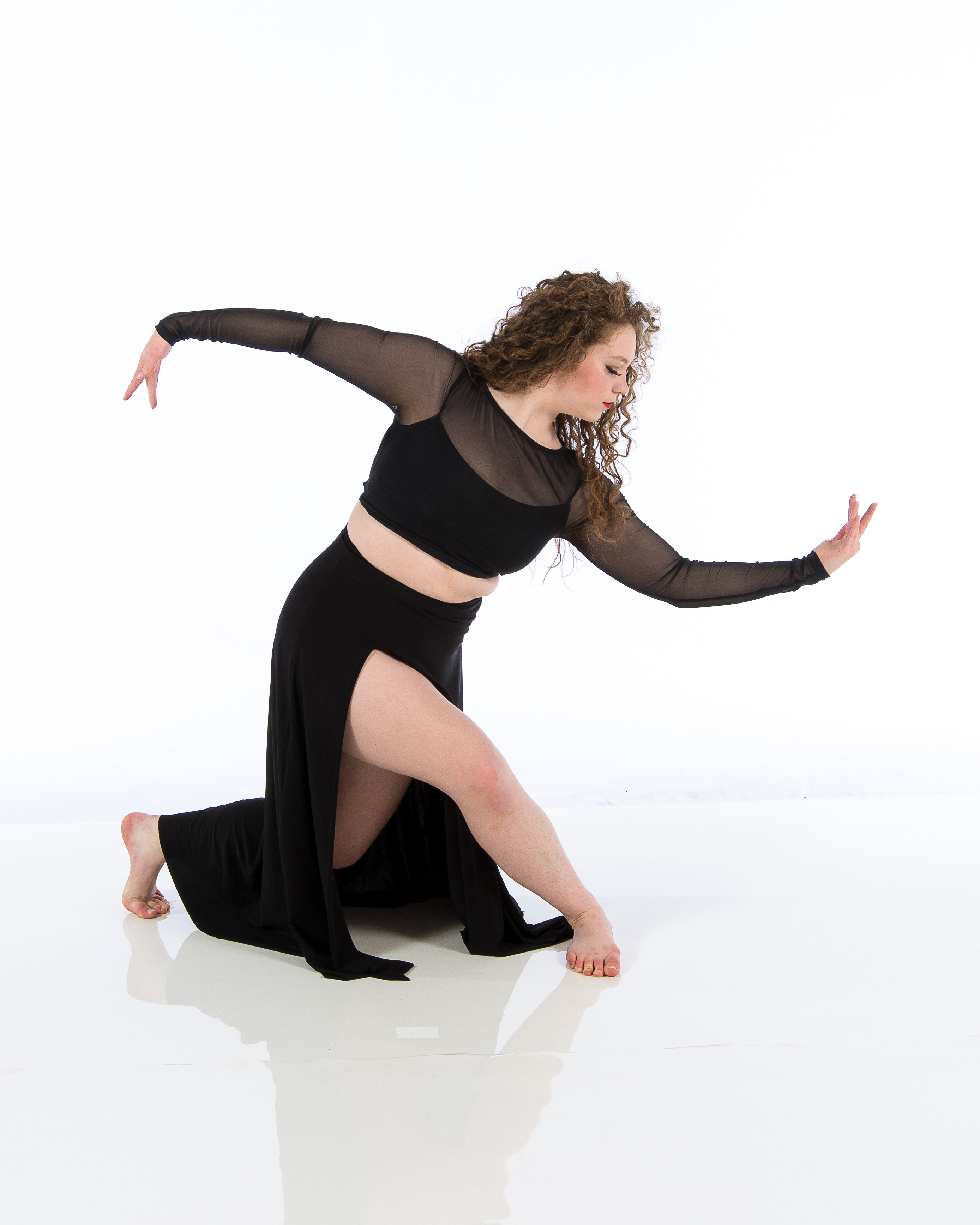
Program jumping. Every week you chase after a brand-new instructor or design, persuaded the last course had not been "it." You never stay enough time for your body to inscribe. Dedicate to a key educator for eight weeks. You can still discover, yet keep a stable anchor.
All-or-nothing weeks. You do five sessions one week, then no the next. Develop a reduced, lasting floor. Two sessions each week is better than a hero week followed by silence.
What to do when life punches an opening in your plan
Travel, illness, and deadlines happen. Consistency is not perfection, it is durability. If you miss a week, your job is to reactivate at a convenient dose, not to pay back a financial debt with a penalizing marathon.
Use a restart rule. After any type of void, do 2 brief sessions before going back to full courses. 10 minutes of essentials eventually, after that a groove session the following. This decreases intimidation and advises your body what dancing feels like. When you go back to class, you'll feel rusty but capable, and the inertia wall surface will be gone.
If you're hurt, train around the injury with your educator's advice. Seated isolations, musicality drills, upper body job, and visualization can preserve ability paths while you heal. Visualization, done continually, boosts timing and memory. Image the step pattern while listening to the songs and "feeling" the weight shifts. It sounds soft, but it maintains neural pathways active.
The function of community and feedback
Consistency obtains less complicated when it is social. A trusted companion course, a team conversation with classmates, or an once a week freestyle circle produces outside framework. After showing for several years, I discovered the students that enhanced most weren't constantly the most talented, however they were hardly ever alone. They had a person to text when they really did not feel like going. They traded video clips and small improvements. This is not about contrast, it has to do with accountability and shared language.
Seek responses from teachers who discuss why, not just what. "Your shoulders raise on matters 5 to 8 since your weight is late on 4" is workable. Make a habit of requesting one specific adjustment per class. Write it down, then fold it into your following micro-session. The loophole of course, note, drill, and return is where consistency pays off.
Your first eight-week arc
If you desire a convenient arc that respects time and constructs momentum, attempt this portable plan. It thinks you have 2 workshop classes weekly and ten to fifteen mins on two other days.
Week 1 and 2. Focus on warm-up uniformity and weight transfers. Tape a 20 2nd fundamental series at the end of week 2. Keep practice paces tool. Your goal is straightforward positioning, not speed.
Week 3 and 4. Add timing tolerance work. Exercise the exact same essentials a little slower than comfortable someday, slightly faster the next. Start one micro-session on balance and transforms with slow quarter turns.
Week 5 and 6. Layer style selections in addition to your now-more-honest technicians. Pick one quality to discover, like groundedness in hip jump or breath in contemporary. Keep drills, just add this taste to your basics.
Week 7 and 8. Introduce little irregularity: various music categories, a new area, light tiredness, or wearing the shoes you'll utilize socially. Movie the exact same 20 second series once again at the end of week 8. Contrast to week 2. Don't seek excellence, try to find clearer weight shifts, smoother changes, and steadier timing.
This arc develops ability without overwhelming you. It appreciates the truth that consistency has to do with enduring the middle weeks when novelty is gone and proficiency is still distant.
On days you do not seem like it
There will certainly be days when the sofa wins most disagreements. Make a deal with yourself. Put on one track and groove for the duration. If you still desire the sofa after the song ends, you can have it. The majority of the moment, your mind will reset during that track and you'll keep relocating. Uniformity does not demand heroic determination, only a low-friction beginning ritual.
Another method is the aesthetic sign. Keep your dance shoes where you can see them, not hidden in a wardrobe. Put your method playlist on the first row of your songs application. If you commute, save a 10 min groove set for the minute you walk in the door. You're building a chain, not searching lightning.
How to stabilize interest with patience
Beginners teem with energy the very first two weeks. Utilize it without shedding it out. Instead of stuffing your routine, network enthusiasm into attention top quality. Notification exactly how your feet sound on the flooring. Listen to the area between counts. Really feel when your shoulders approach and let them fall. These are the minutes consistency supplies for you. The more often you take note, the faster body and brain agree on brand-new habits.
Patience is not passive. It is energetic rep with intent. Some days your intent is technical quality. Various other days it is musical playfulness. Consistency is the only way to offer both sufficient time to matter.
The quiet payoff
One night I viewed a student that had actually stumbled via the very first month of beginner house. He had actually dealt with the bounce, always a little ahead of the track, shoulders stressful. Week 6, exact same studio, exact same teacher, various result. His actions had actually ultimately cleared up right into the floor, and his upper body softened. No new move opened this. The distinction was a string of brief home sessions and faithful presence. He had become regular, and uniformity had actually paid him back with something you can't counterfeit: ease.
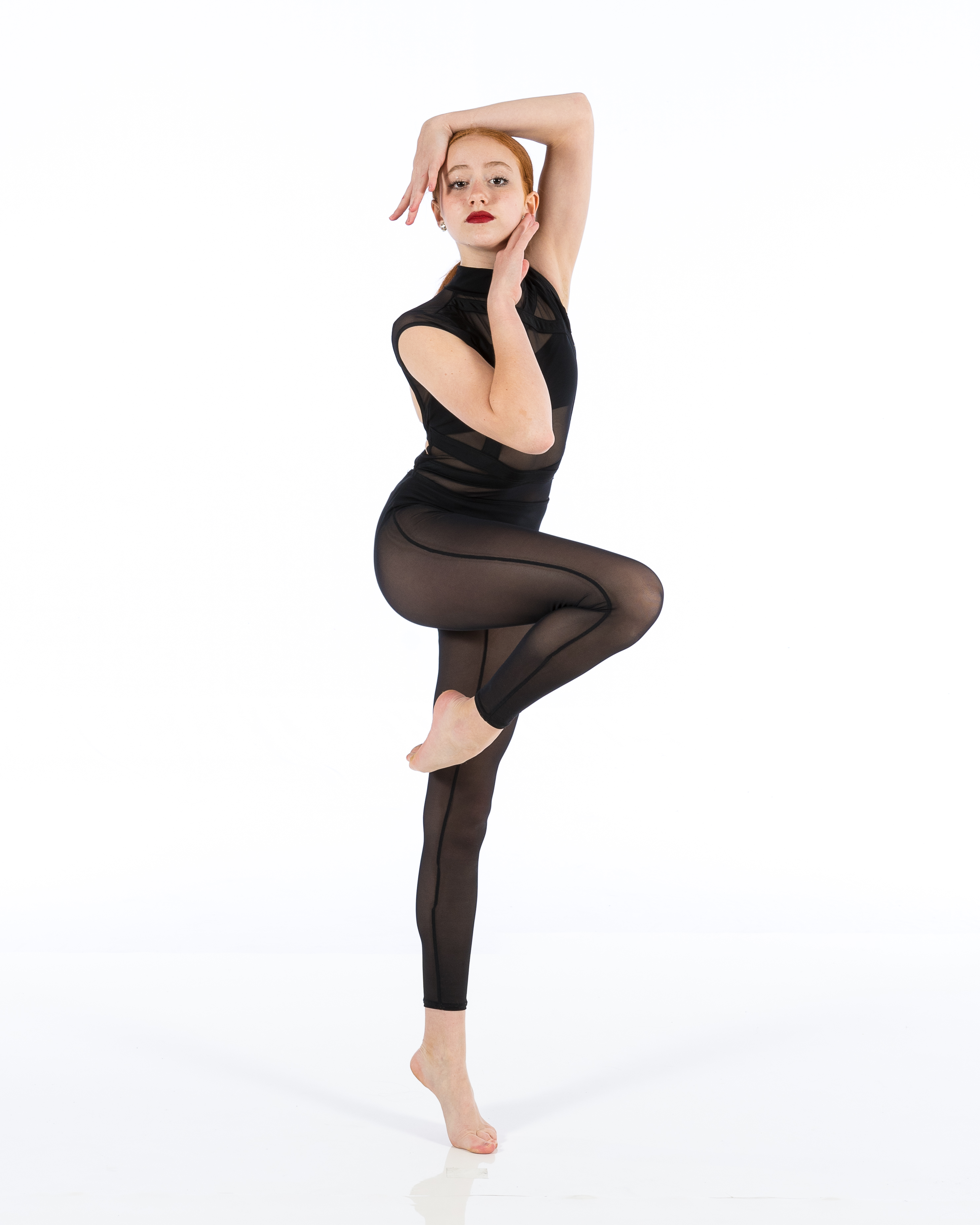
That quiet benefit is what you want. Not simply sharper lines or faster feet, yet a body that trust funds itself under songs. If you offer on your own frequent, sincere practice, you'll feel it earlier than you assume. You'll get here, warm up, and discover the beat with less sound. You'll try a brand-new combination and your weight will turn up on schedule. You'll dance with a person new and match their timing without chasing after counts. These are refined success novices commonly miss out on because they are busy comparing themselves to more advanced dancers. Don't miss them. They are signals your consistency is working.
A small checklist you can continue your phone
- Pick a regular minimum: two courses plus 2 micro-sessions. Use the same warm-up for 6 weeks. Track one technological focus every 2 weeks. Keep one 20 2nd video clip each month for comparison. Have a reboot rule for missed weeks: two short sessions, after that resume.
Consistency is not attractive, however it is charitable. It increases your initiative quietly in the background, compounding little gains until they appear like skill. Keep turning up, keep the dose manageable, and allow time do its part. If you anchor your Dance Training to that rhythm, the art you desire will certainly have a place to land.
Business Name: Doty Performance Website: https://www.dotyperformance.com/ Phone: +1 (503) 822-5276 Address: 20345 SW Pacific Hwy #306, Sherwood, OR 97140, United States About Doty Performance: Doty Performance is a dance studio in Sherwood, Oregon that offers a variety of dance programs for all ages and levels of dancers. We have classes for Ballet, Tap, Jazz, and Hip-Hop. So if you are looking for a dance studio near me that welcomes all skill levels, ages, and genders, look no further than Doty Performance dance studio.