Introduction
Ballet is more than just a dance form; it's an art that cultivates discipline, grace, and an appreciation for creativity. For many children, the journey into the world of ballet begins at a young age, often in a Ballet Dance Studio or Ballet Dance Academy. As a parent, supporting your child through this beautiful journey is essential not only for their skill development but also for fostering a love for dance that can last a lifetime. In this comprehensive guide, we’ll explore various aspects of supporting your child’s ballet journey, providing tips and insights to ensure they thrive both in class and beyond.
Understanding Ballet as an Art Form
What is Ballet?
Ballet is a highly technical form of dance that has evolved over centuries. It combines intricate movements with expressive storytelling, often set to classical music. Understanding its roots can help you appreciate the dedication required in training.
The History of Ballet
Originating in the Italian Renaissance courts, ballet spread to France and Russia, evolving into various styles such as classical ballet and contemporary ballet. Familiarizing yourself with this history can enrich your child's experience.
Choosing the Right Dance Studio
Factors to Consider When Selecting a Ballet Dance Studio
When choosing a Dance Studio for your child, several factors come into play:
Reputation: Research the studio's history and its instructors' credentials. Location: A conveniently located studio will make transportation easier. Class Size: Smaller classes often allow for more personalized attention.Visiting Potential Studios
Before enrolling your child, visit potential studios with them. Observe a class if possible and talk to instructors about their teaching philosophies.
Understanding Different Styles of Ballet
Classical vs. Contemporary Ballet
While classical ballet focuses on traditional techniques and forms, contemporary ballet blends these techniques with modern dance styles. Discussing these differences with your child may help them decide what resonates with them the most.
Other Styles Worth Exploring
Don’t limit your child to just one style! Other forms like jazz or hip-hop can complement their ballet training and enhance their overall dance skills.

Tips for Parents: Supporting Your Child’s Ballet Journey
Encouraging Consistent Practice
Encouragement goes a long way! Setting aside time each week for practice at home can improve their skills dramatically.
Balancing Academics and Dance
It’s essential to strike the right balance between academics and dance commitments. Encourage good time management strategies to help them juggle both effectively.
Setting Realistic Expectations
Understanding Your Child's Limits
Every dancer progresses differently, so it’s vital to set realistic expectations based on your child's unique abilities and interests.
Celebrating Small Victories
Celebrate every achievement—big or small! Whether it's mastering a new move or participating in their first recital, acknowledgment boosts confidence.
The Importance of Nutrition
Fueling Their Passion
A balanced diet is crucial for any dancer. Ensure your child consumes enough protein, carbohydrates, vitamins, and minerals needed for energy and recovery.
Hydration Matters
Remind them to stay hydrated before, during, and after classes! Proper hydration aids performance and recovery.
Creating a Supportive Environment at Home
Designating a Dance Space
If space allows it, create a designated area at home where your child can practice comfortably without distractions.
Attending Performances Together
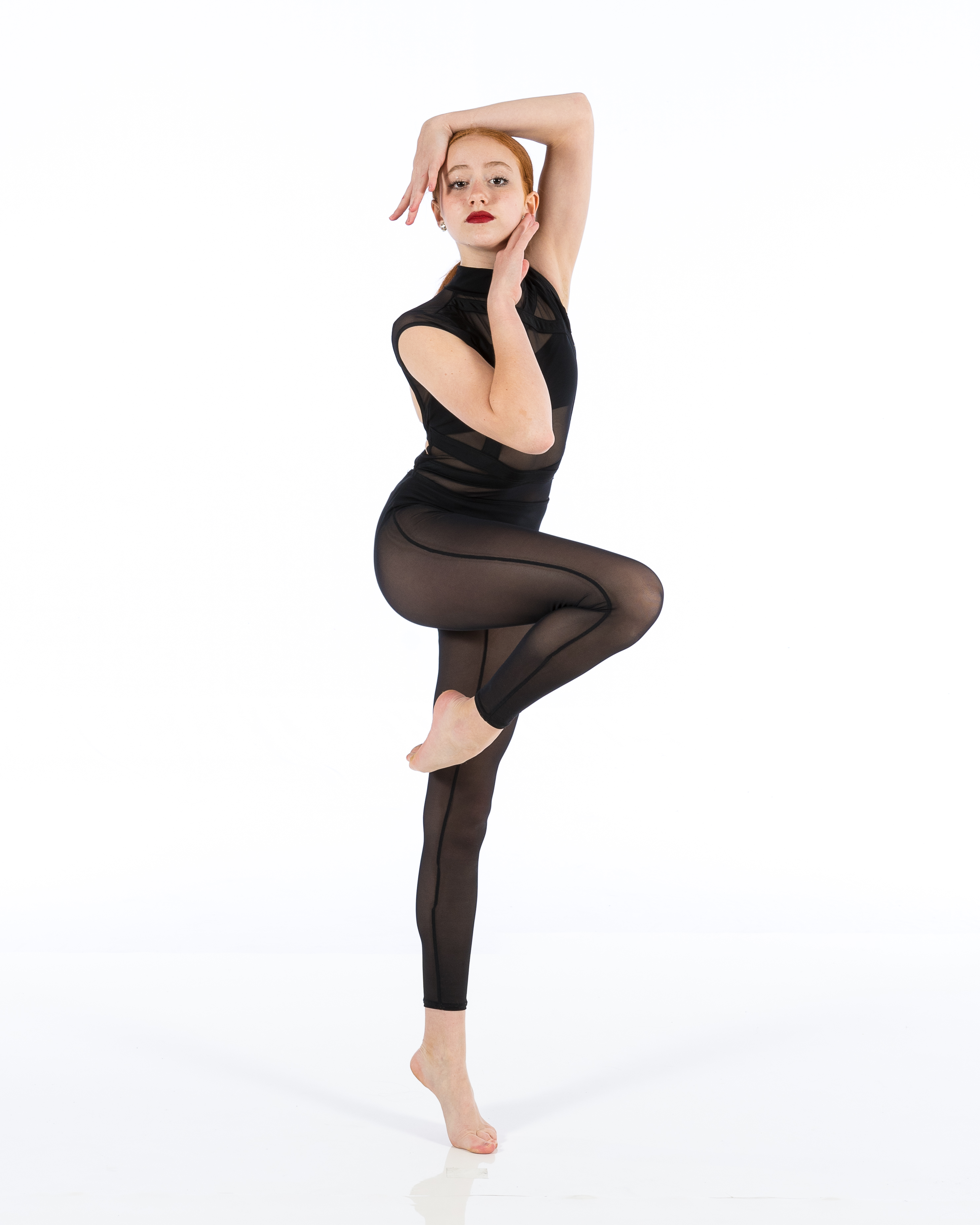
Watching professional performances together can inspire your budding ballerina or dancer while helping you understand the art form better!
Involving Family in Their Journey
Seeking Family Participation
Encouraging siblings or family members to engage in events like recitals or showcases fosters community support around your child's passion for ballet.
Finding Community Through Ballet
Joining Parent Groups
Many studios offer support groups where parents can connect over shared experiences while encouraging each other along their children's journeys.
Engaging in Fundraising Events
Participation in fundraising events organized by studios can help build camaraderie among families involved in the same community!
Managing Stress During Recital Season
Preparing Early
The lead-up to recitals can be stressful! Ensure your child starts preparing well in advance by practicing choreography regularly.
Creating Positive Affirmations
Teach your child how affirmations can reduce anxiety before performances—simple phrases like “I am prepared” can boost confidence immensely!
Navigating Competition Reality
The Value of Healthy Competition
Competitions are part of many dancers’ journeys—understanding how to handle both winning and losing gracefully is key!
Building Resilience
Help them develop resilience by discussing setbacks as opportunities for growth rather than failures.
Building Relationships with Instructors
Open Communication
Maintain open lines of communication with instructors regarding any concerns about progress or challenges faced by your child during classes.
Encouraging Feedback
Encourage your child to seek constructive feedback from their teachers—it helps establish trust while fostering personal growth!
Incorporating Dance Into Everyday Life
Making Movement Fun
Integrate dance into family activities! You might even consider family dance nights where everyone joins in on the fun together!
FAQs
What age should my child start ballet lessons?- Most children begin taking lessons between ages 4-7; however, some studios may offer classes as early as 3 years old.
- Beginners might start with one class per week; as they progress, two or three sessions may be beneficial.
- Standard attire includes leotards paired with tights or leggings; specific footwear depends on the studio’s requirements.
- While competitions provide valuable experiences and learning opportunities, they’re not mandatory; focus should be on personal growth.
- Look for signs of enthusiasm such as excitement about attending classes or practicing at home—it indicates they're enjoying their journey!
- Absolutely! Many skills learned through ballet transfer well into other styles like jazz or contemporary dancing.
Conclusion
Supporting your child's journey through ballet involves understanding the art form itself along with fostering an environment conducive to growth—both personally and artistically! By engaging actively throughout this process—from selecting the right studio all the way down to managing stress during recital seasons—you'll enable them not only to succeed but also cherish memories along the way that lasts forever! Remember that every leap taken dance studio https://www.dotyperformance.com/ https://www.dotyperformance.com/contact-1 on stage stems from love nurtured offstage; so let's embark together upon this wonderful adventure filled with music & movement!
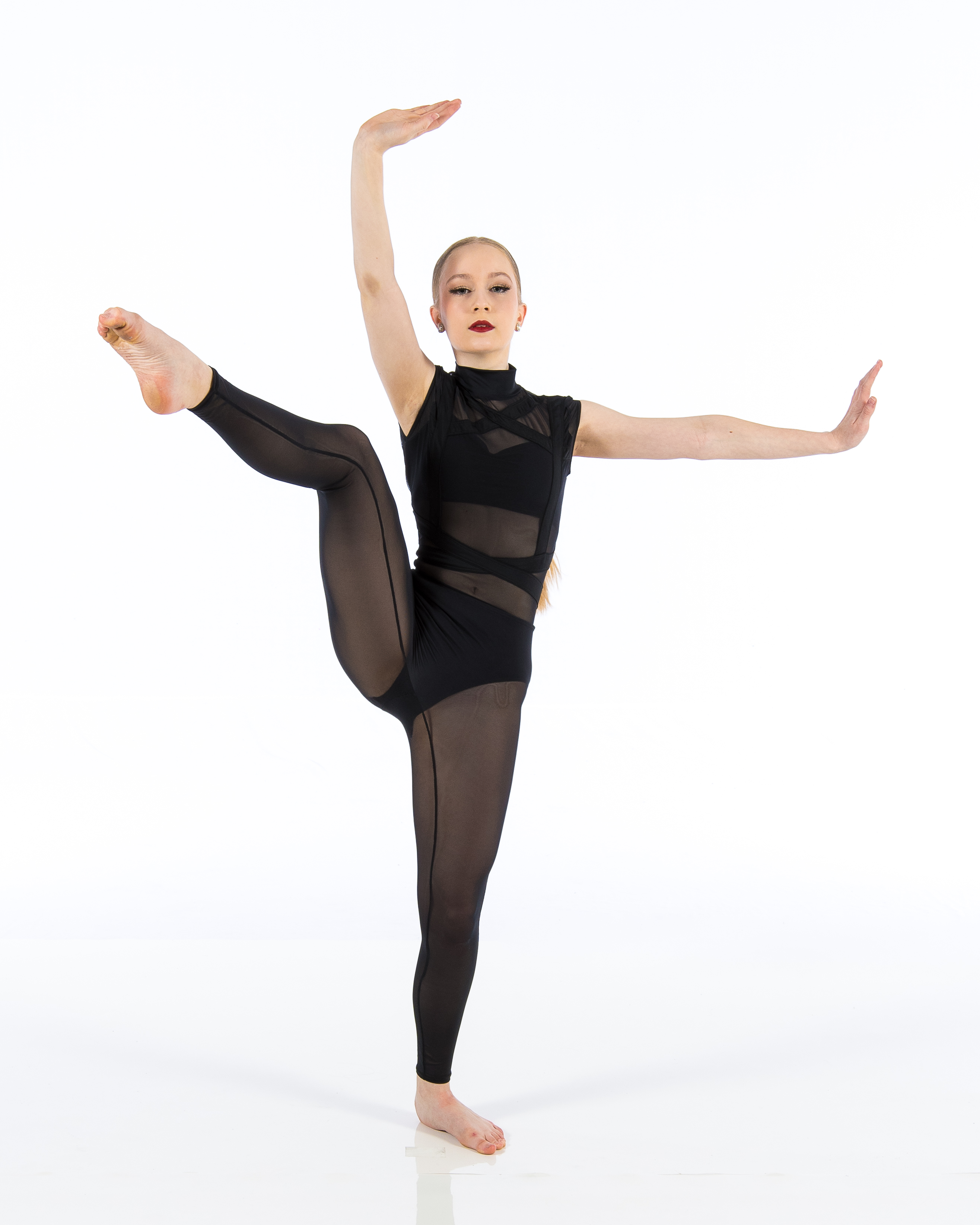
This article aims not just merely impart information but also inspire parents everywhere who wish nothing less than seeing their children flourish within every pirouette they take toward fulfilling dreams via dedicated support & encouragement along each step forward—embracing said journey wholeheartedly whilst reveling joyfully alongside those cherished moments shared together throughout it all!